What is low back pain?
Low back pain is one of the most common complaints in the world — most people experience it at some point. The reassuring news is that the large majority of cases are mechanical, meaning they come from muscles, joints and discs responding to load, not from anything dangerous. That is exactly the kind of pain that responds well to physical therapy.
What causes it?
- Lifting or bending with poor technique
- Long hours of sitting, often with a slouched posture
- A sudden increase in activity the back was not prepared for
- Weak core and hip muscles
- A lumbar disc problem or joint irritation
- Everyday stress and fatigue, which increase muscle tension
What are the symptoms?
- A dull ache or sharp pain in the lower back
- Stiffness, especially in the morning or after sitting
- Pain that worsens with certain movements — bending, lifting, or twisting
- Muscle tightness or spasm on one or both sides
- In some cases, pain or tingling spreading toward the buttock or leg (see our article on sciatica)
A simple self-check
This helps you understand your pain — it is not a diagnosis. Any concerning result is a reason to be assessed, not a conclusion.
- Movement direction. Gently note which movements ease your pain and which provoke it. Many backs prefer one direction — this information guides treatment.
- Sitting vs moving. Notice whether the pain is worse after long sitting and eases once you move. If so, that is a common, very treatable mechanical pattern.
Seek prompt medical care — not just physical therapy — if back pain comes with fever, unexplained weight loss, numbness in the groin area, or loss of bladder or bowel control. These are rare, but they need urgent review.
How is it treated?
- Manual therapy to ease stiffness and restore movement
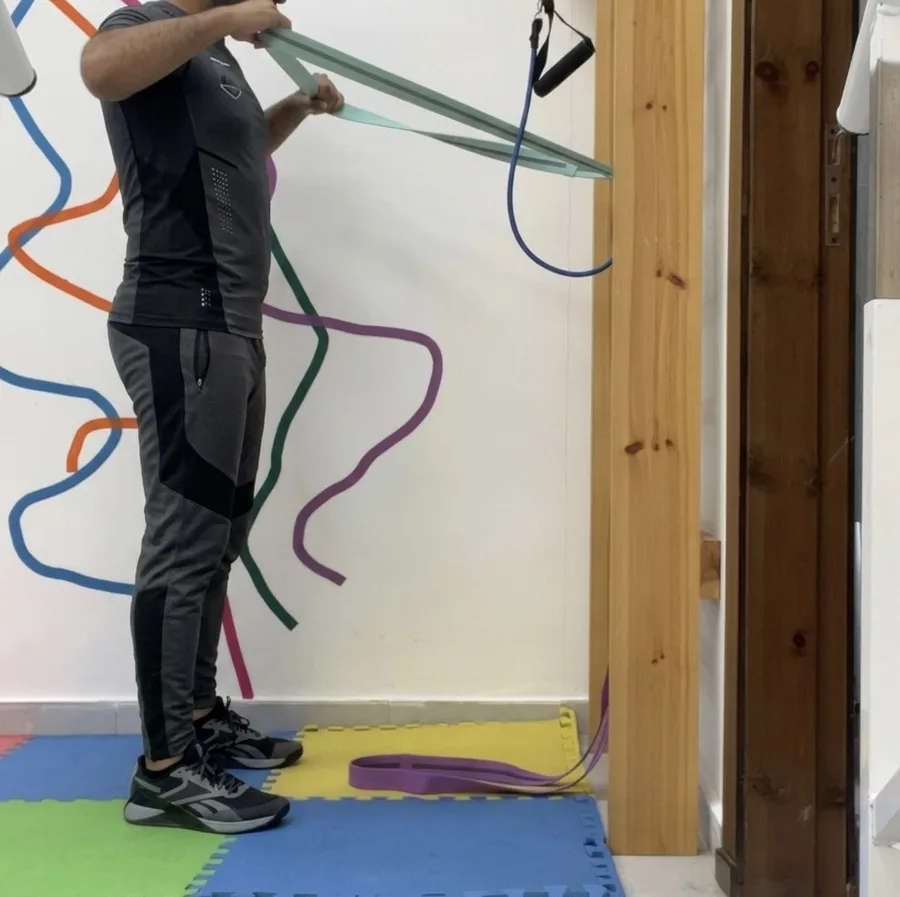
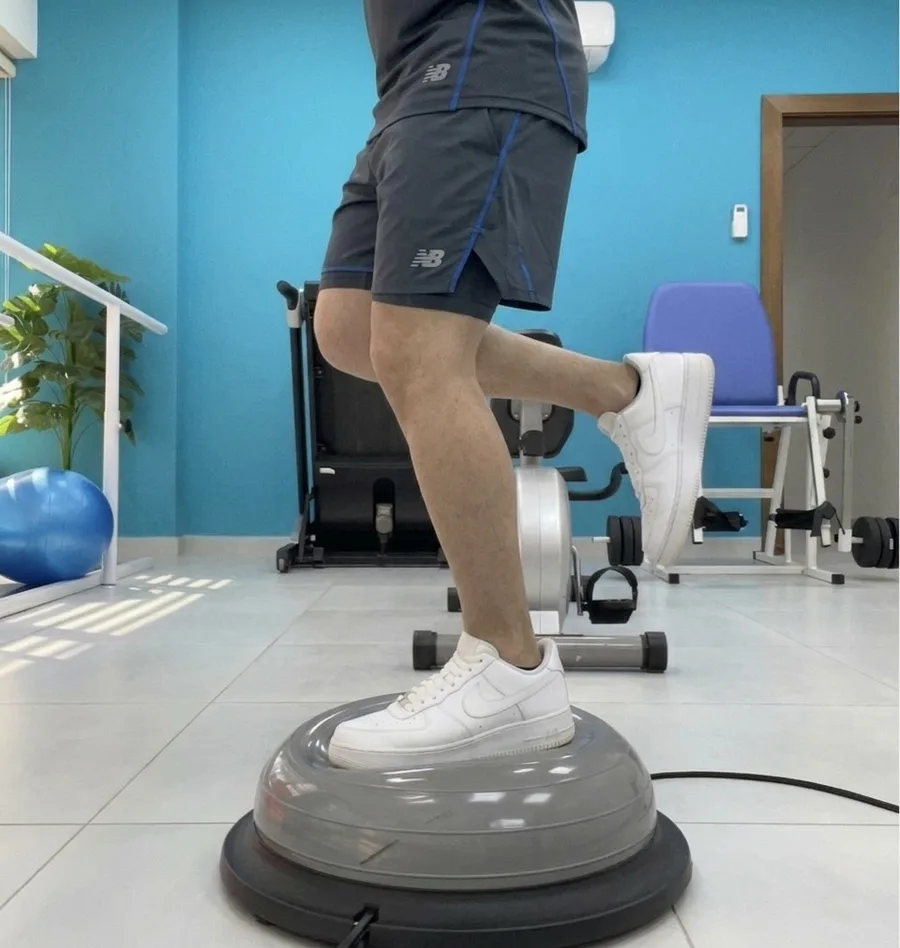
- A progressive core and hip strengthening program
- Guidance on posture, lifting and daily activity
- Graded return to the activities and exercise you enjoy
- Dry needling for stubborn muscle pain when appropriate
The role of physical therapy — and why not bed rest
For decades people were told to rest a sore back. We now know that prolonged bed rest usually makes low back pain worse and slower to recover. The back is built to move, and the right movement calms it down. Physical therapy gives you a safe, graded way back to activity, builds the strength that protects your spine, and teaches you how to handle a future flare with confidence.
Recovery timeline
- Acute episodes: often improve substantially within 2–6 weeks
- Recurrent or chronic pain: improves steadily with a structured strengthening plan, and the goal shifts to preventing the next episode
When should you see a specialist?
Book an assessment if:
- The pain lasts more than a couple of weeks or keeps coming back
- It is interfering with work, sleep or daily life
- It spreads into the leg, or you notice weakness
Our team can identify what is driving your back pain and build a plan around your goals — book a WhatsApp assessment whenever you are ready.