
What is sciatica?
Sciatica is pain caused by irritation of, or pressure on, the sciatic nerve — the largest nerve in the body. It starts in the lower back, passes through the buttock and runs down the leg to the foot.
Symptoms can appear in the lower back, buttock or leg, and sometimes reach the foot and toes. They usually affect one side of the body.
Symptoms
Pain can appear anywhere along the path of the sciatic nerve, but it most often runs from the lower back into the buttock, then down the back of the thigh and leg. It feels different from person to person — it may be:
- A mild or constant ache
- Sharp or burning pain
- An electric-shock-like jolt that shoots down the leg
- Pain that gets worse when you cough, sneeze or sit for a long time
Other symptoms may come with it:
- Numbness in part of the leg or foot
- Tingling or "pins and needles"
- Weakness in the leg or foot muscles
- Difficulty with some leg or foot movements
You may feel pain in one part of the leg and numbness in another, depending on which nerve roots are affected.
Is it always a herniated disc?
No. A herniated disc is one of the most common causes, but several different problems can irritate or compress the nerve. That is why the cause is identified through your symptoms and a clinical examination — and, in some cases, further tests ordered by a doctor.
What causes sciatica?
Sciatica is a set of symptoms caused by irritation of, or pressure on, the sciatic nerve or the nerve roots that form it. In most cases the problem sits in the lower spine.
The most common causes
- Herniated disc: part of the soft inner material of a spinal disc pushes out through a weak spot or tear in its outer layer and presses on a nerve, causing pain from the lower back into the buttock and leg. This can develop gradually over time or after a sudden back injury.
- Spinal stenosis: the space the nerves travel through inside the spine becomes narrower, compressing the nerves.
- Bone spurs and spinal changes: with age, bony growths can form on the vertebrae and press on the nerves leaving the spine.
Less common causes
Sometimes the sciatic nerve is irritated outside the spine, in the buttock or pelvis:
- Injuries to the buttock or pelvis
- Piriformis syndrome, where the nerve is compressed or irritated in the buttock
- Scar tissue around the nerve after some injuries or surgeries
- Pregnancy, due to physical changes and extra pressure on some nerves
- Some hip problems or hip surgery
- Tumours or infections (rare)
Risk factors
- Age: spinal changes such as disc herniation and bone spurs become more common with age.
- Excess weight: adds load to the lower back and the discs between the vertebrae.
- Prolonged sitting: inactivity weakens the trunk muscles and increases pressure on the lower back.
- Type of work: jobs involving heavy lifting, repeated bending and twisting, or long hours of driving.
- Diabetes: can affect the nerves over time.
- Smoking: may reduce blood flow to spinal tissues and slow healing.
Who is most at risk?
Sciatica is most common in adults aged 30 to 50, likely because age-related spinal changes become more frequent. Risk is also higher for people who sit for long periods, whose work involves lifting, bending and twisting, or who carry extra weight.
Can sciatica be prevented?
Not every case can be prevented, but you can lower your risk and protect your back by:
- Staying physically active
- Strengthening your abdominal, back and pelvic muscles to support the spine
- Keeping a healthy weight
- Avoiding long periods of sitting — change position and move regularly
- Keeping good posture when sitting, standing and working
- Lifting correctly: bend your knees and keep your back in a good position
- Not twisting while carrying heavy loads
- Building up exercise gradually rather than jumping into intense effort
- Not smoking
How is sciatica treated?
Treatment depends on the cause, how severe the symptoms are and your general health. It usually starts with non-surgical options:
- Physical therapy: to ease pain, improve spinal movement, strengthen muscles and make daily activities easier — with a program built around the cause and severity of your symptoms.
- Medication: a doctor may prescribe pain relief, muscle relaxants or nerve-pain medication depending on the case.
- Injections: in some cases a doctor may inject a corticosteroid near the irritated nerves to reduce inflammation and pain.
- Surgery: most people with sciatica never need it. It may be considered for severe cases, or when symptoms do not improve with conservative care after an appropriate period — often around 8 to 12 weeks, depending on the cause and the patient.
The role of physical therapy and exercise
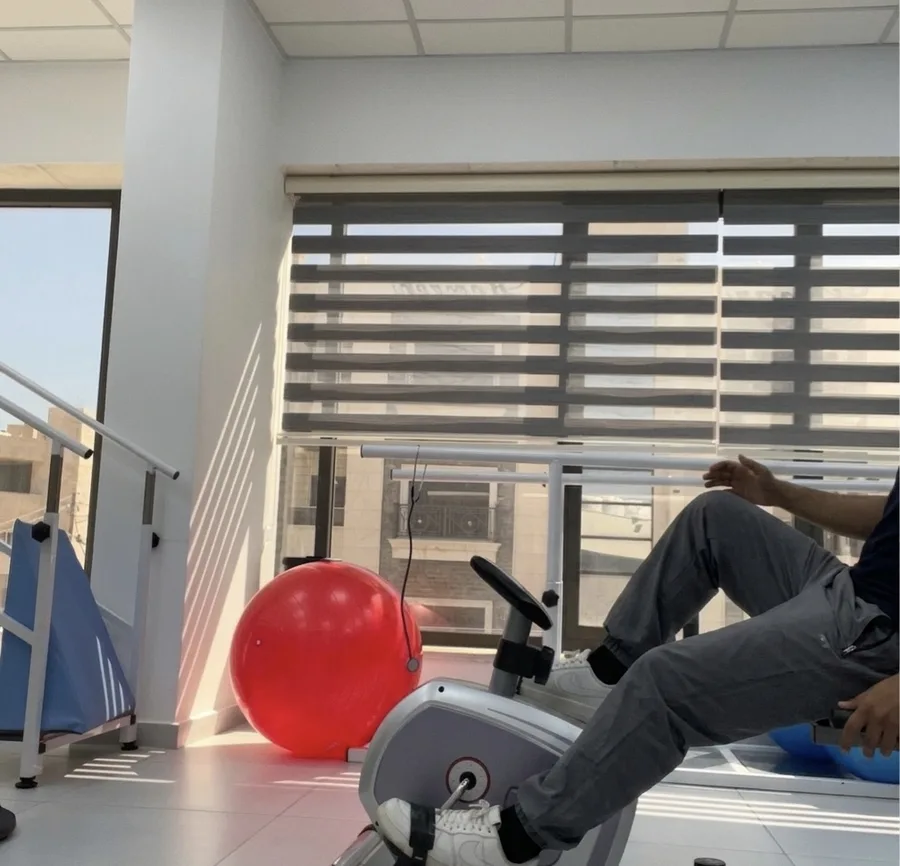
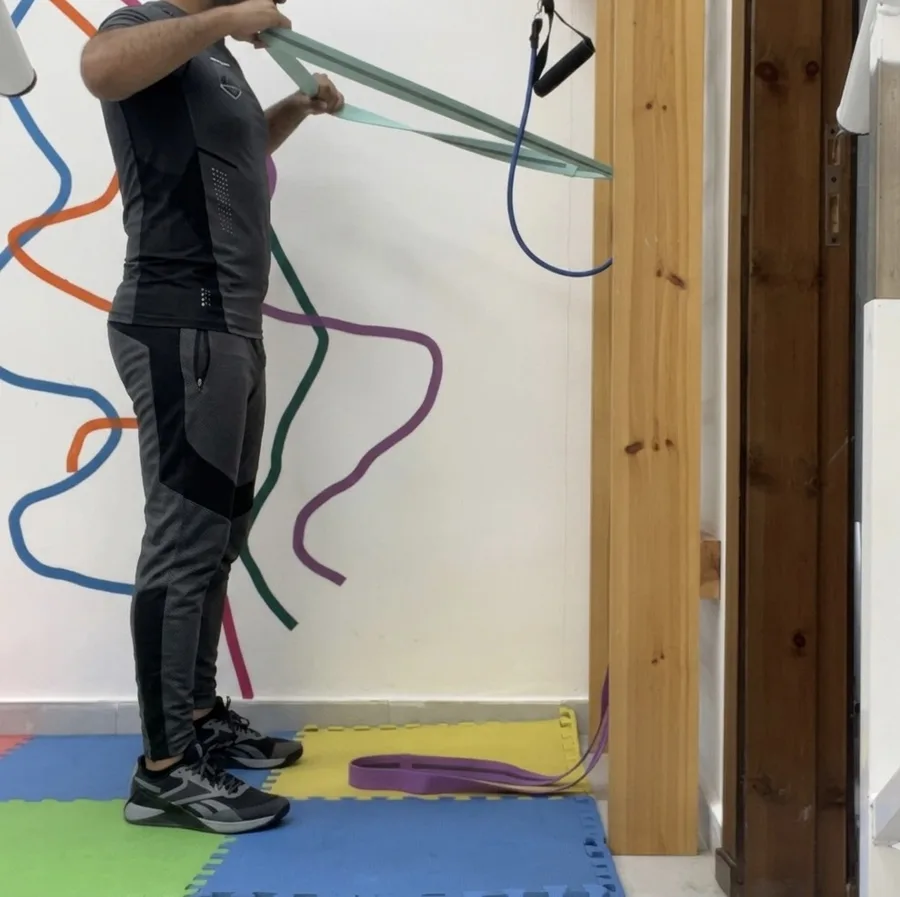
Physical therapy and therapeutic exercise are among the most important options for sciatica. Your physical therapist builds the program around the cause, how much pain you have, your range of movement, your strength and your overall condition. Treatment focuses on:
- Easing pain in the lower back, buttock and leg
- Improving movement of the spine and lower body
- Reducing muscle spasm
- Strengthening the abdominal, lower-back, pelvic and leg muscles
- Restoring normal movement patterns and reducing fear of movement
- Lowering the chance of symptoms coming back or getting worse
Key treatment methods
- Therapeutic exercise: spinal mobility, stretching and strengthening exercises, chosen according to your condition and how your symptoms respond.
- Strengthening: for the abdominal, back, pelvic and leg muscles — for example bridges and core exercises — with resistance increased gradually.
- Nerve mobilisation: gentle movements that help the nerve glide and reduce irritation and leg symptoms. These must be chosen and applied carefully, as some movements can increase symptoms in some patients.
- Manual therapy: hands-on techniques for the joints, muscles and surrounding tissues to reduce pain and improve movement.
- Movement retraining: how to bend, lift, walk and sit in ways that reduce load on the lower back, with a gradual return to the activities your work and daily life require.
- Posture and lifestyle changes: good posture when sitting, standing and walking, safe lifting, and staying as active as possible.
Is bed rest good for sciatica?
You may need to ease off for a short time when the pain is severe, but prolonged bed rest is usually not the best option — it weakens the muscles and can delay recovery. Gradual movement and appropriate activity help maintain strength and mobility. Return to your daily activities step by step, guided by your symptoms and your doctor or physical therapist.
When should you see a doctor?
See a doctor if your back or leg pain is severe, persistent, or clearly limiting your movement and daily activities.
Seek urgent medical care if you notice: severe or worsening leg weakness, loss of feeling in or around the genital area, loss of bladder or bowel control, or severe pain after a significant injury.
Summary
Sciatica is a set of symptoms caused by irritation of, or pressure on, the sciatic nerve or its nerve roots. A herniated disc is a common cause, but not the only one. Treatment usually starts without surgery — especially appropriate movement, physical therapy and therapeutic exercise — aiming to ease pain, improve mobility, build strength and help you return to your activities gradually. Because the right exercises and their intensity differ from person to person, your program should be built for you.