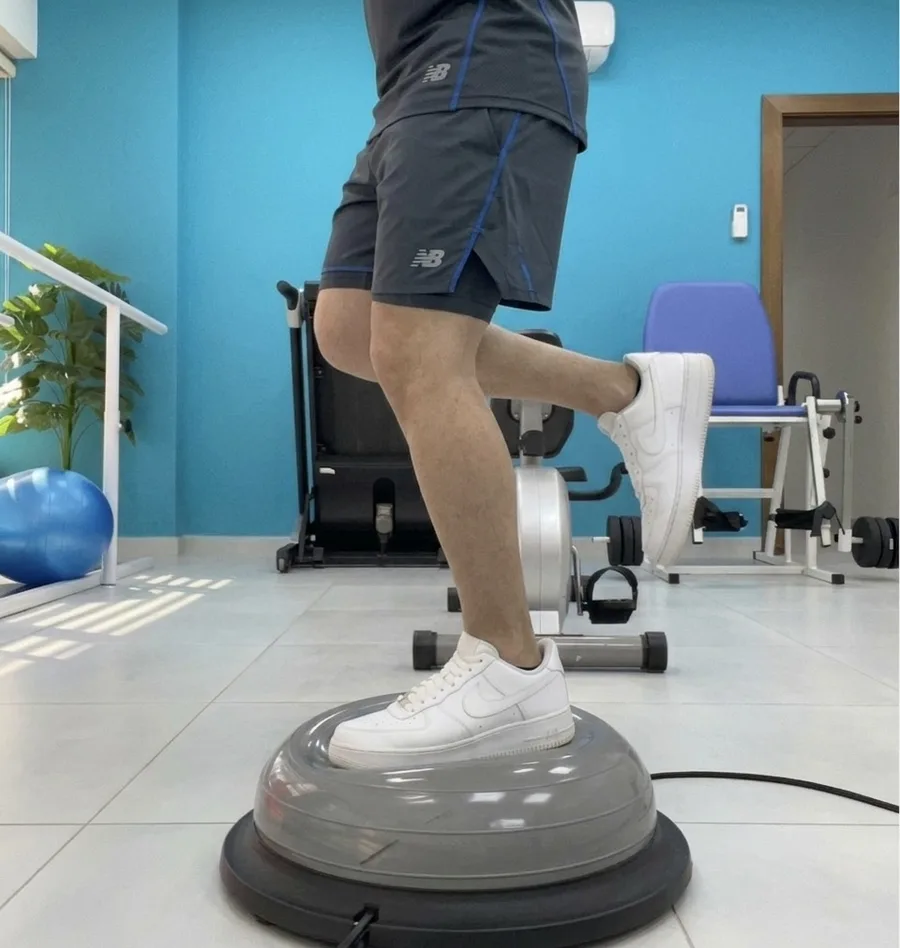
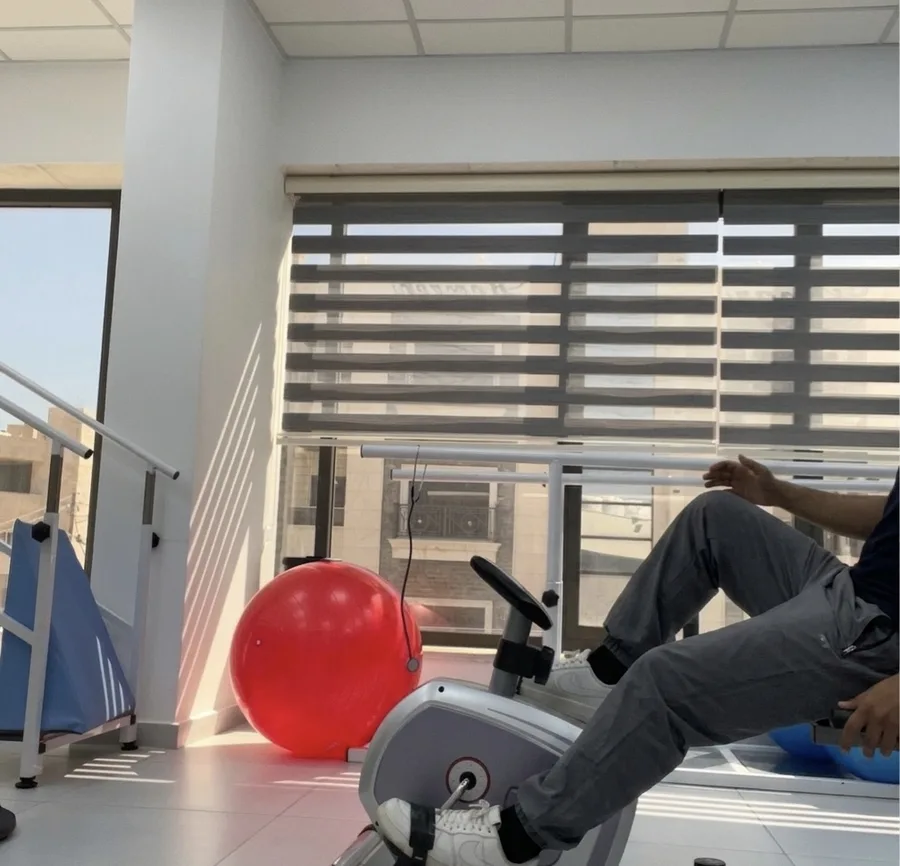
What is gait training?
Gait training is a type of physical therapy that aims to improve a person's ability to stand, walk and get around as independently and safely as possible. It may be recommended after a stroke or any condition that affects mobility.
What are the benefits?
- Stronger muscles and better ability to perform functional movements
- Better balance and posture control when standing and walking
- More endurance and the ability to walk further
- Stronger motor learning through repetition and practice
- Better step coordination and walking pattern
- Lower risk of falls and better mobility
Regular activity and weight-bearing through the limbs — within the patient's ability — can also support bone health, cardiorespiratory fitness and circulation.
Why does it matter after a stroke?
Some people regain the ability to walk after a stroke but still struggle with poor balance, short steps, uncoordinated movement and low endurance. These problems can limit independence and daily activities. A gait assessment identifies what is still holding walking back, so the plan can be built around the patient's needs and goals.
Common walking problems after a stroke
- Weakness in the affected leg: can make it hard to take weight and move the leg while walking.
- Foot drop: difficulty lifting the front of the foot, so the toes drag and the risk of tripping rises.
- Difficulty shifting weight from the affected leg to the other, or back.
- Poor balance and trunk control: affecting stability when standing, walking and changing direction.
- Poor coordination and short steps: steps become uneven, shorter or less regular.
- Increased muscle tone (spasticity): can limit joint movement and affect leg position and walking pattern.
How does a physical therapist assess walking?
Before building the program, the physical therapist carries out a full assessment of the patient's abilities, what is affecting their walking, and how much help they need. It usually covers:
- Strength and range of movement: how well the leg can move and take weight.
- Balance and postural control: stability when sitting, standing and moving.
- Sensation and coordination: how well the patient controls movement and responds to changes in position.
- Gait analysis: step length, foot placement, weight distribution, trunk movement and use of walking aids.
- Functional walking tests: such as the 10-Meter Walk Test for speed and the Six-Minute Walk Test for endurance, when appropriate for the patient.
The results guide the goals and the level of training, with safety and general health in mind.
The stages of gait training after a stroke
Stages vary with the severity of the stroke and the patient's abilities, and may include:
- Trunk control and sitting: better stability and posture in preparation for standing.
- Sit-to-stand: getting up and sitting down safely, with the right level of help.
- Weight shifting and loading the affected leg: better weight distribution and control of the affected side.
- Standing and balance: stability in standing and control while the limbs change position.
- First steps and assisted walking: starting a step and moving the legs in sequence with appropriate support.
- Walking pattern, speed and endurance: coordinated steps, better motor control and gradually longer distances.
- Stairs, obstacles and different surfaces: where needed, to handle the demands of moving around at home and outside.
Not everyone goes through these stages in the same order — some overlap or need repeating, depending on how the patient responds.
Key physical therapy techniques for walking after a stroke
The physical therapist chooses techniques based on the assessment, which may include:
- Task-specific training: practising the movements walking is made of — standing, getting up, shifting weight, stepping — at the patient's level.
- Repetitive gait training: repeated stepping practice to improve motor performance.
- Balance and trunk control exercises: for stability in standing and movement. (See also: trunk stability and balance after a stroke)
- Weight-shift exercises: to distribute body weight and control the affected leg before stepping.
- Lower-limb strengthening: for the strength needed to stand, take weight and move the legs.
- PNF (proprioceptive neuromuscular facilitation): movement patterns and facilitation techniques to improve motor control and coordination. (Read: what is PNF?)
- Functional electrical stimulation (FES): may be used to activate specific muscles during movement — such as those that lift the foot — in suitable cases.
- Treadmill training: to repeat steps and build endurance, with body-weight support if needed.
Intensity and the level of help are adjusted gradually to the patient's abilities and response, with safety and movement quality first.
Frequently asked questions
Can someone walk again after a stroke?
Many patients regain some ability to walk or become more independent, but how much they improve depends on the severity of the stroke, individual factors and their response to rehabilitation.
Can gait training start if the patient can't stand yet?
Training doesn't have to start with walking. Early stages may focus on trunk control, sitting, getting up to standing and balance.
How often are physical therapy sessions needed?
It depends on the patient's health, goals and tolerance. The physical therapist sets the program after the assessment.
Does every patient need a walker or a brace?
No. It depends on strength, balance, motor control and walking pattern. Some patients need one or more aids; others walk without them.
Is walking practice alone enough?
Not always. Patients may also need strength, balance, trunk-control, weight-shift and functional training, depending on what the assessment shows.
If training will happen at home, it's best for a physical therapist to choose the safe exercises and the level of help needed first, to lower the risk of falls. We also offer home physiotherapy for patients who find it hard to reach the clinic.