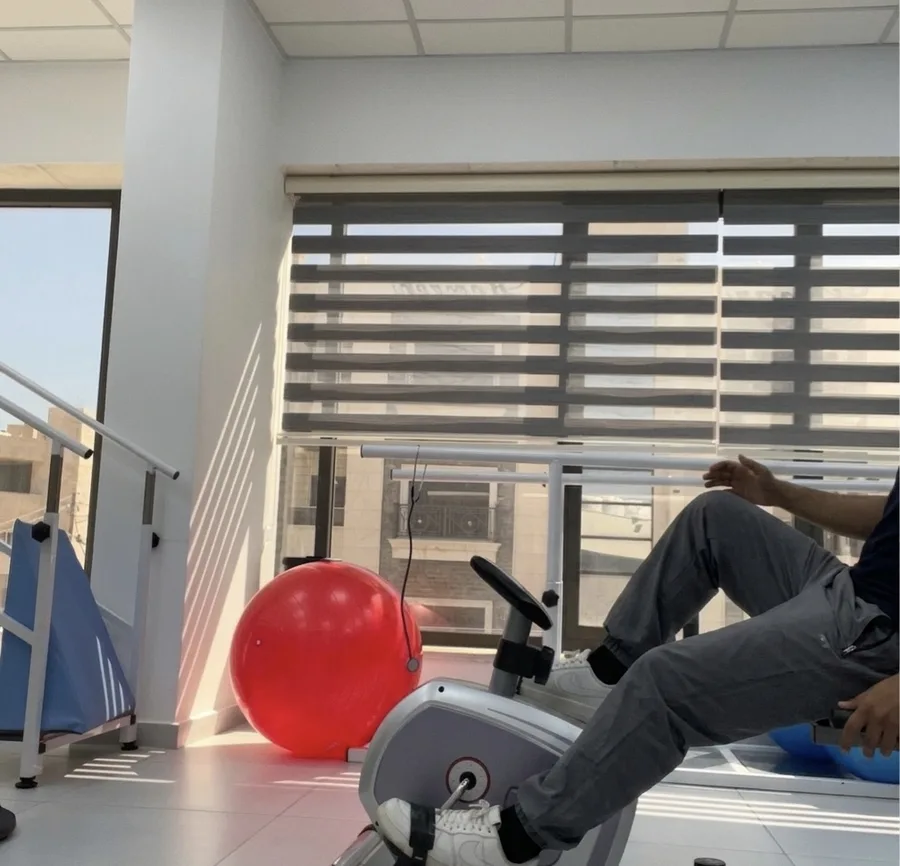
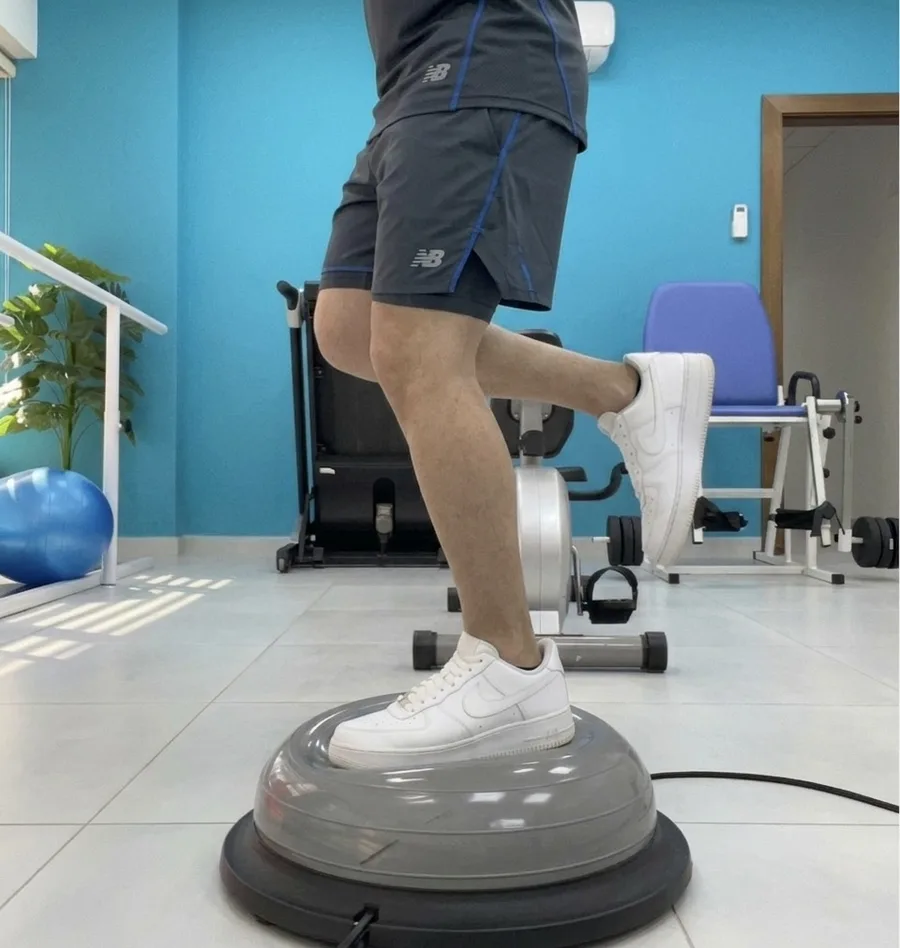
Why trunk control matters after a stroke
A stroke affects movement and balance for many patients. It can weaken trunk control and make it hard to hold a steady posture when sitting, standing and walking — which affects daily activities and independence.
Trunk stability and postural control are key parts of neurological rehabilitation: they give the arms and legs a stable base to move from, improve balance and coordination, and support moving between positions and walking safely.
When trunk control is affected, a patient may struggle to sit without support, reach for things, stand up, or shift weight between the legs. That is why trunk training is an important part of the physical therapy program.
What is trunk stability in neurological rehab?
- Core stability: the ability of the abdominal, back and pelvic muscles to work together to support the spine and keep the body stable during movement.
- Trunk control: the ability to adjust and move the trunk appropriately to keep balance and carry out functional tasks.
After a stroke, training isn't only about strengthening. It also targets muscle coordination, the timing of contractions and postural control, so movements become steadier and more efficient.
How does a weak trunk affect balance?
A stroke can change the activity, coordination and timing of the trunk muscles. Common problems include:
- Reduced activity in some of the side trunk muscles
- Delayed activation of the muscles that stabilise the body during movement
- Poor coordination between muscles that work together to control the trunk
- Difficulty keeping balance when sitting, standing or changing position
- Leaning to one side, or relying on compensatory movements to stay stable
These can affect both static and dynamic balance, and limit the ability to keep the body's centre of gravity over its base of support while moving — making walking harder and raising the risk of falls.
How it shows up in daily life
Even when some strength returns in the arms and legs, a patient may still struggle with:
- Sitting: holding a steady position without constant support.
- Reaching: moving the trunk and arm while keeping balance.
- Changing position: from lying to sitting, or sitting to standing.
- Standing: sharing weight between the legs and staying stable.
- Walking: controlling the trunk and shifting weight between steps.
Identifying these difficulties lets the goals reflect what the patient actually needs, rather than strength alone.
How does a physical therapist assess trunk control?
The physical therapist assesses how well the patient holds their posture and controls the trunk at rest and during movement, taking strength, balance, sensation and function into account. This may include:
- Sitting stability: with or without support, depending on ability.
- Lateral balance: leaning to each side and returning upright.
- Movement control: moving the trunk forwards, backwards and sideways.
- Weight shifting: moving body weight while staying balanced.
- Postural control during movement: trunk stability while moving the limbs or changing position.
Clinical scales such as the Trunk Impairment Scale (TIS) and the Trunk Control Test (TCT) can help measure the level of impairment and track progress. The results determine the support needed, the right exercises and measurable goals.
Key trunk-stability exercises after a stroke
Exercises are chosen to match the patient's abilities, progressing from simpler, well-supported exercises to more challenging functional ones when appropriate:
- Trunk control in sitting: start sitting with suitable support, then reduce it as stability improves.
- Leaning and returning upright: move the trunk forwards or to the sides, then return to a stable position — training the response to shifts in the centre of gravity.
- Reaching to targets: reach for objects within a safe range while keeping balance, adjusting distance and direction.
- Weight shifting: side to side in sitting or supported standing, in preparation for functional movement.
- Sit-to-stand: combines trunk control with loading the legs, with help as needed.
- Functional balance: once trunk control improves, add standing or moving tasks — such as reaching while standing or shifting weight in preparation for walking.
Difficulty and repetitions are adjusted to the patient's response, with the right support and supervision to reduce the risk of falls.
Trunk stability and walking
The trunk keeps the body stable while walking, controls posture and helps shift weight between the legs. When trunk control is weak, it can be hard to take weight on the affected leg, stay balanced between steps or change direction — leading to compensatory walking patterns.
Trunk training — alongside balance work, limb strengthening and functional walking practice — builds the abilities needed to get around. But it isn't a substitute for gait training; it's one part of an integrated program. (Read: gait training after a stroke)
Progressing safely
Training may start with supported sitting, move to unsupported sitting when safe, then reaching and weight shifting, then more challenging functional exercises — and standing or moving tasks when appropriate.
Some patients need direct physical support or constant supervision — especially with severe balance problems, altered sensation, or neglect of one side of the body. Standing and weight-shift exercises shouldn't be done independently if the patient is at risk of falling.
How long does it take?
There's no single timeline. Progress depends on the severity of the stroke, how much trunk control is affected, the ability to sit and stand, any other movement or sensory problems, and how fully the patient takes part in rehab. Regular reassessment — such as sitting without support and how much help is needed in daily activities — tracks progress and guides changes to the plan.
Frequently asked questions
Can trunk stability improve after a stroke?
Yes — the right rehab program can improve trunk control, balance and function, though the amount of improvement varies with the patient and the severity of the stroke.
Does a weak trunk affect walking?
It can affect balance, weight shifting and posture between steps, so trunk training is combined with gait training as needed.
Can trunk exercises be done at home?
Some can, once the physical therapist has chosen suitable exercises and the support needed. Avoid anything that carries a risk of falling without supervision.
Do all stroke patients need the same exercises?
No. Needs differ with movement ability, balance and postural control, so the program is tailored to each patient's assessment.
Summary
Trunk stability and postural control are important parts of rehab after a stroke, supporting balance, motor control, functional movement and independence. Trunk training works best as part of a complete program including balance, strengthening, functional tasks and walking. At Back On Track, the rehab plan is built on each patient's assessment and functional goals, to support better movement, balance and as much independence as possible.