After a stroke, the damage is in the brain but the consequence shows up in the body — weakness on one side, a hand that will not open, a leg that drags, balance that cannot be trusted. Families are often told to wait and see. That is the wrong advice.
The nervous system can reorganise itself, and it does so in response to repeated, specific, difficult practice. That is what stroke rehabilitation is. The earlier and more consistently it starts, the more function comes back — and progress can continue for far longer than most people are led to expect.
How we treat it
Assessment of movement, tone, balance, walking and what you can and cannot do independently
Task-specific practice — the actual movements you need, repeated enough times to matter
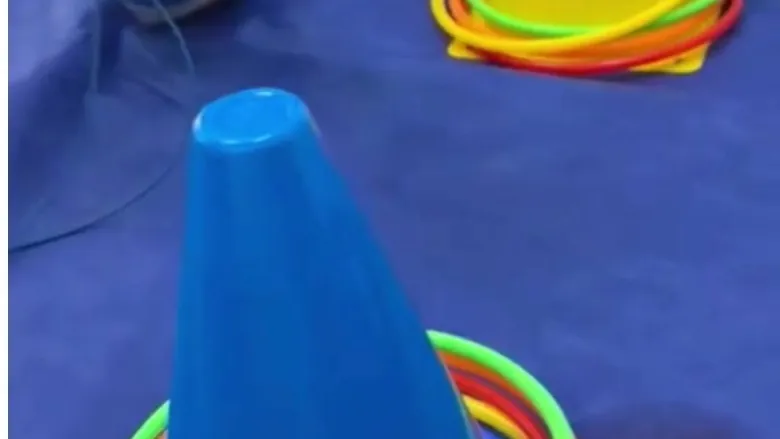
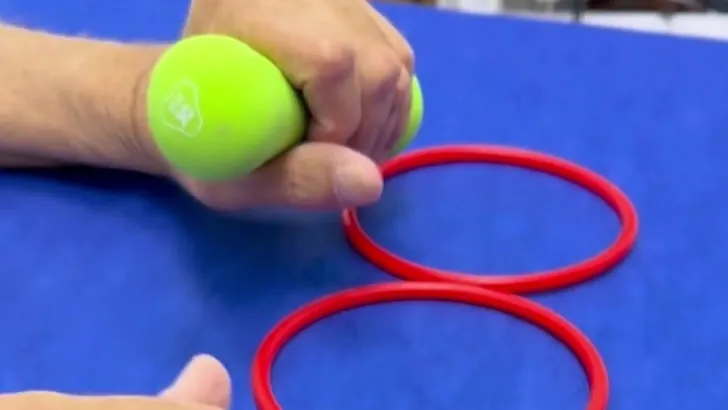
Work on the affected arm and hand, which is too often abandoned early
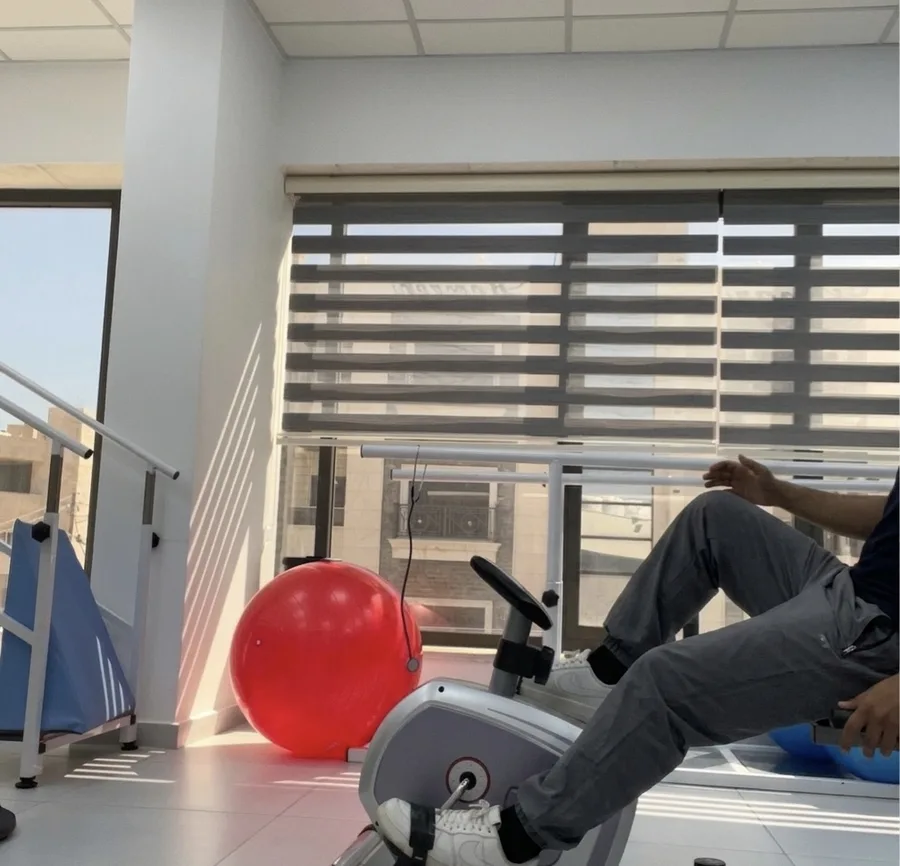
Walking re-education, balance and falls prevention
Managing spasticity and preventing the contractures that close a joint permanently
Family and carer training, so the right work continues between sessions
What the sessions look like
We are honest about the picture. Some function returns quickly, some slowly, and some may not — we will tell you what we are seeing rather than what you want to hear.
Progress is measured against clear functional markers: standing, transfers, steps, grip. You will see them move.
This is long work. Patients who keep going past the first few months often keep gaining, and that is worth knowing.
Common questions
How soon after a stroke should rehabilitation start?
As early as the medical team allows. Early rehabilitation is strongly associated with better recovery, but starting late is far better than not starting — we regularly see gains in patients who begin months afterwards.
Is it too late if the stroke was a year ago?
No. Recovery slows but does not simply stop. We assess what you have now and what is realistically reachable, and we tell you honestly whether we think a programme will change anything.
Can you treat at home?
Yes. Many stroke patients start with home sessions and move to the clinic as travelling becomes possible.
Start with an assessment — the plan follows from there
Send us a WhatsApp message and we’ll set a time for your assessment. You don’t need a referral to begin.
After a stroke, some strength may return — yet holding a cup, walking steadily or turning without stumbling is still hard. The reason is often coordination. Here are the key exercises and how they're progressed safely.
Short steps, a foot that catches, a fear of falling… If that sounds like you or someone you love after a stroke, gait training starts with sitting and standing — then rebuilds walking one step at a time.
When a hand or arm is weak after a stroke, a simple reflection in a mirror may help the brain relearn movement. What mirror therapy is, how it works, who it suits, and what the evidence says.