
What is multiple sclerosis?
Multiple sclerosis (MS) is a chronic disease of the central nervous system — the brain, spinal cord and optic nerves.
In MS, the immune system attacks myelin, the protective sheath around nerve fibres that helps nerve signals travel quickly and efficiently. This damage is called demyelination. It can disrupt signals between the brain and the rest of the body, causing symptoms that vary from person to person — such as numbness, muscle weakness, balance and walking problems, and changes in vision. Over time, some people also develop damage to the nerve fibres themselves, which can lead to a build-up of symptoms or disability.
MS varies enormously between people. A diagnosis does not necessarily mean losing your mobility or independence.
Types of MS
MS isn't usually divided into fixed stages. Instead, it is described by how it behaves over time — relapses, progression and neurological change:
- Relapsing-remitting MS (RRMS): a common pattern with relapses — new symptoms or worsening of existing ones — followed by periods of partial or full recovery called remission, which can last months or years.
- Secondary progressive MS (SPMS): some people who start with relapsing-remitting MS later develop a gradual increase in symptoms and disability, with or without relapses. The pace varies greatly.
- Primary progressive MS (PPMS): symptoms worsen gradually from the start, without clear relapses and remissions.
- Clinically isolated syndrome (CIS): a first episode of neurological symptoms caused by inflammation or damage to myelin. Later tests such as MRI may link it to MS — or to another condition — so CIS does not necessarily mean MS.
- Radiologically isolated syndrome (RIS): changes on a brain or spinal cord MRI that look like MS, but without typical neurological symptoms. MRI findings alone do not necessarily mean MS and need specialist interpretation.
Symptoms
Symptoms vary widely depending on which part of the nervous system is affected and how severely. Some appear and then improve; others persist or develop gradually.
Early symptoms
- Changes in vision: blurred, double or reduced vision
- Optic neuritis in some cases
- Muscle weakness
- Numbness, tingling or other unusual sensations
- Symptoms affecting one side of the body or the legs
These symptoms don't necessarily mean MS — many other conditions can cause them — so diagnosis needs specialist medical assessment.
Common symptoms
- Fatigue: common and sometimes severe, affecting work and daily life even without much physical effort.
- Numbness and tingling: in the face, arms, legs or elsewhere.
- Muscle weakness: can make walking, climbing stairs or using the hands harder.
- Walking difficulties: from weakness, spasticity, balance and coordination problems, or fatigue.
- Muscle stiffness and spasms: affecting movement, range of motion and daily activities.
- Balance and coordination problems: which can increase the risk of falls.
- Dizziness: or a disturbed sense of balance.
- Vision problems: blurred or double vision, sometimes reduced vision in one eye, or pain moving the eye with optic neuritis.
- Bladder and bowel problems: urgency or difficulty controlling the bladder, or constipation.
- Pain: nerve pain, or pain linked to spasticity, stiffness and movement problems.
- Cognitive changes: in concentration, memory, processing speed, learning and planning.
- Emotional changes: such as anxiety, depression or mood swings.
Less common symptoms
Speech difficulties, trouble swallowing, some hearing problems, seizures (less common), some breathing problems in advanced cases, nerve-related itching, and headaches. Any of these should be assessed medically — they are not necessarily caused by MS.
What causes MS?
The exact cause isn't fully understood. It is thought to result from a complex interaction of immune, genetic and environmental factors. The immune system attacks myelin, creating areas of inflammation and demyelination in the central nervous system that show up on MRI as lesions or plaques.
Factors that may be linked to a higher risk include smoking, low vitamin D, previous Epstein-Barr virus (EBV) infection, childhood obesity, and some genetic and environmental factors. Having one of them doesn't mean you will develop MS.
Is MS fatal?
In most cases MS is not directly fatal, but — particularly in advanced cases — it can lead to complications that affect overall health, such as urinary or chest infections, swallowing difficulties that can let food or fluid enter the airway and cause aspiration pneumonia, and complications of reduced mobility.
Care for people with MS has improved greatly with better diagnosis, treatment and rehabilitation. Its impact, and life expectancy, vary widely from person to person, so the course of the condition can't be predicted from the diagnosis alone.
How does MS progress?
The course varies a great deal. Some people have relapses followed by recovery; others experience a gradual decline in function over time. Some develop increasing disability without a clear relapse — known as progression independent of relapse activity (PIRA).
That's why monitoring isn't based only on the number of relapses, but also on movement, balance, strength, daily function and level of disability.
How is disability measured?
One widely used tool is the Expanded Disability Status Scale (EDSS), which tracks neurological and functional change over time. It assesses systems including motor function and limb weakness; balance, coordination and tremor; brainstem functions such as speech, swallowing and eye movement; sensation; bladder and bowel; vision; and cognitive function. Walking ability becomes especially important at higher scores.
The EDSS is important for tracking neurological disability, but it doesn't capture everything that affects a person's life — such as fatigue, some cognitive problems, or quality of life.
Can you live a normal life with MS?
Yes. Many people with MS continue working, studying and doing their daily activities for many years. Medical follow-up, medication, physical therapy, rehabilitation and symptom management all help maintain function and independence.
Treatment
There is no single treatment that suits everyone. The plan depends on the type of MS, how active it is, the symptoms and your general health:
- Disease-modifying therapies (DMTs): adjust immune activity to reduce disease activity and relapses, and help limit the build-up of disability in some people. A neurologist chooses the right one after weighing benefits and risks.
- Corticosteroids: may be used for some acute relapses to reduce inflammation and speed recovery. They are not usually used long-term to prevent relapses.
- Symptom management: medicines for specific symptoms such as spasticity and stiffness, nerve pain, bladder and bowel problems, and mood changes.
The role of physical therapy
Physical therapy and rehabilitation are an important part of comprehensive MS care. Physical therapy doesn't treat the disease itself or stop its immune activity — it focuses on managing symptoms, maintaining movement and independence, and improving quality of life.
Goals of physical therapy
- Build and maintain muscle strength
- Improve balance and coordination
- Improve walking and mobility
- Reduce the risk of falls
- Manage spasticity and muscle stiffness
- Maintain joint range of movement and flexibility
- Manage fatigue by pacing activity and rest
- Improve fitness safely
- Train the use of mobility aids when needed
- Maintain independence and participation in daily life
Assessment
Treatment starts with a full assessment, which may include muscle strength, joint range of movement, balance, walking and walking speed, coordination, spasticity, endurance, activity-related fatigue, fall risk, daily activities, and any need for mobility aids. The program is then built around the person's goals and abilities.
Which exercises are suitable?
There is no single program for everyone. Depending on the person, it may include:
- Strength training: to improve muscle strength and support walking, movement and daily activities.
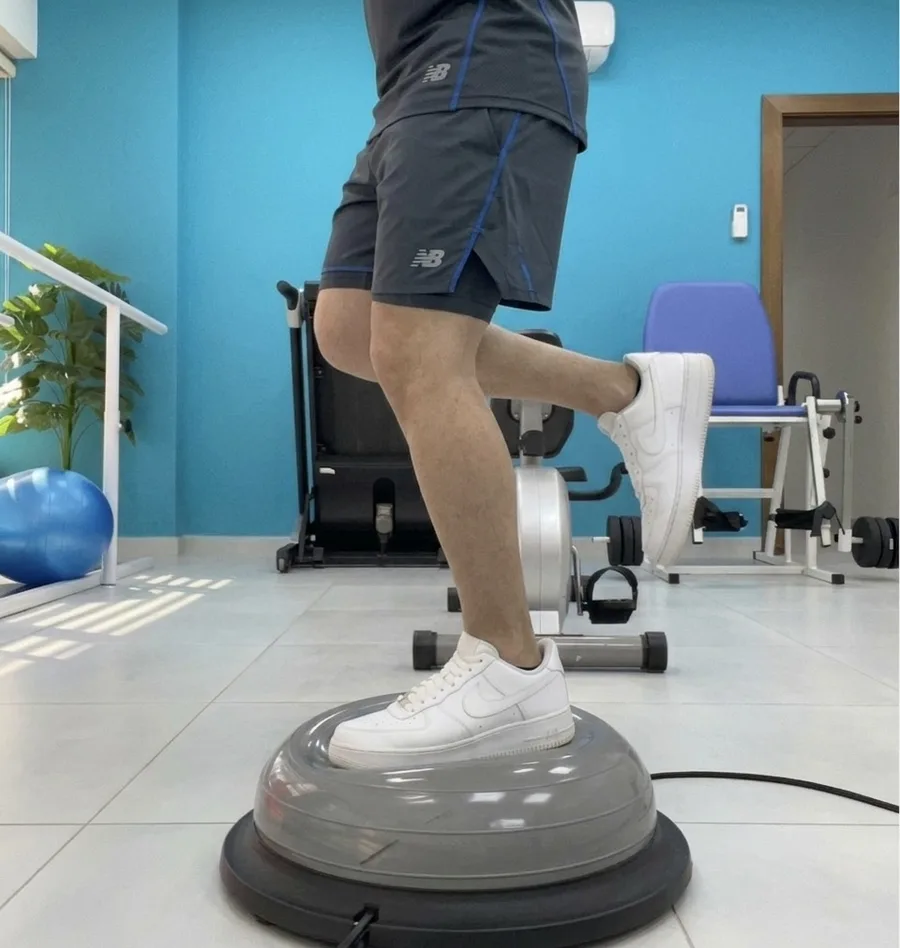
- Balance and coordination exercises: to improve body control and reduce the risk of falls.
- Gait training: walking pattern, speed, changing direction, and using aids where needed.
- Flexibility and range-of-movement exercises: to maintain joint movement and reduce the effects of stiffness and spasticity.
- Aerobic exercise: to build endurance and fitness, at an intensity that suits the person.
- Breathing exercises: for some people, depending on their condition.
Managing fatigue
Fatigue is one of the most important symptoms of MS, so physical therapy isn't just about doing more exercise. It may include planning activity through the day, breaking tasks into shorter blocks, building in rest breaks, choosing the right exercise intensity, avoiding overexertion, learning more efficient ways to do daily tasks, and monitoring how the body responds so the program can be adjusted. The program should be flexible and adapt to day-to-day symptoms.
Does the plan differ from person to person?
Yes. It depends on the type and course of MS, current symptoms, strength and mobility, balance and fall risk, walking ability, spasticity, fatigue, general health and personal goals. That's why the program is best designed after an individual assessment by a physical therapist experienced in neurological conditions.
When should you see a doctor?
Seek medical assessment for new or unusual neurological symptoms, such as sudden or increasing weakness in a limb, new numbness or loss of sensation, a clear change in vision, new difficulty walking or balancing, difficulty speaking or swallowing, or persistent or worsening neurological symptoms.
Severe shortness of breath, chest pain, loss of consciousness, or sudden severe neurological symptoms need urgent medical attention.
Summary
MS is a chronic neurological disease whose impact and course vary greatly from person to person. It can affect movement, balance, strength, sensation, vision, fatigue and cognition. Comprehensive care includes medication, medical follow-up, symptom management, and physical therapy and rehabilitation. Physical therapy aims to maintain mobility and independence, improve balance, walking, strength and flexibility, and manage fatigue and spasticity. The more closely the rehab plan fits the person's needs and goals, the better it can adapt to their abilities and to changes over time.
This information is for general education and doesn't replace medical diagnosis or assessment. Never start, stop or change any medication without talking to your doctor.