What is rheumatoid arthritis?
Rheumatoid arthritis (RA) is a chronic autoimmune disease in which the immune system mistakenly attacks the lining of the joints, causing pain, swelling and stiffness. Over time it can damage the joints and surrounding tissues.
It most often affects the finger joints, hands, wrists, knees, ankles, feet and toes — and usually the same joints on both sides of the body (a symmetrical pattern), which sets it apart from some other types of arthritis.
Unlike osteoarthritis, which is linked to joint wear over time, rheumatoid arthritis is a systemic disease: it can affect other parts of the body beyond the joints.
Stages
Rheumatoid arthritis usually progresses through four stages:
- Stage 1: inflammation of the tissue around the joint, with pain and stiffness. X-rays usually show no destructive bone changes yet.
- Stage 2: inflammation starts to damage the joint cartilage, increasing stiffness and reducing range of movement.
- Stage 3: inflammation becomes severe and can damage bone, with more pain, stiffness and loss of movement; visible changes in joint shape may begin.
- Stage 4: inflammation may settle, but joint damage continues, and there may be severe pain, swelling, stiffness and loss of mobility.
Progression through these stages can take years, and not everyone goes through all of them.
Causes and risk factors
The exact cause is still unknown. It is thought to result from an interaction of genetic, environmental and lifestyle factors that affect the immune system.
Factors you can't control
- Age: it can start at any age, and the risk rises as you get older.
- Sex: it is more common in women than in men.
- Genetics: certain genes increase susceptibility.
Environmental factors
- Infections: some may affect the immune system in people who are predisposed.
- Toxins and pollutants: exposure to some environmental substances may be linked to higher risk.
- Severe childhood trauma: may be linked to a higher risk later in life.
Lifestyle factors
- Smoking: a well-established risk factor that may raise both the risk and the severity of the disease.
- Chronic gum disease: may be associated with higher risk.
- Obesity: may be linked to higher levels of inflammation in the body.
- Diet: can influence inflammation and immunity, but no single food has been shown to cause RA.
- Microbiome changes: microorganisms in the gut, mouth and elsewhere may influence how the immune system is regulated.
Symptoms
Symptoms differ from person to person. They can develop gradually over weeks or quickly over days, and they may come in flares.
Main symptoms
- Joint pain: often worse in the morning and after periods of inactivity.
- Joint stiffness: most noticeable in the morning and may last more than 30 minutes.
- Joint swelling: caused by inflammation of the joint lining.
- Warmth and redness: affected joints may feel warm and tender to the touch.
- Reduced range of movement: the joint becomes harder to move or use.
- Symmetrical pattern: the same joints are usually affected on both sides.
General symptoms
Fatigue and low energy, fever, sweating, loss of appetite and weight loss.
Symptoms beyond the joints
Because RA is systemic, it can cause dry eyes, heart- or lung-related symptoms such as chest pain, or rheumatoid nodules — firm lumps under the skin near affected joints.
Diagnosis
RA is diagnosed by a rheumatologist, based on your symptoms and medical history, a clinical examination of the joints, blood tests, and imaging where needed. Joint inflammation lasting more than 6 weeks, with stiffness in the morning or after rest, raises suspicion of rheumatoid arthritis.
Complications
If the disease is not controlled, it can lead to:
- Joint damage or deformity
- Osteoporosis
- Carpal tunnel syndrome
- Dry eyes and mouth
- Heart disease
- Interstitial lung disease
- Greater susceptibility to some infections
- Lymphoma
Impact on daily life
RA can limit physical activity, make some daily tasks and physically demanding or repetitive work harder, affect social participation, and leave some people feeling isolated.
Treatment
There is currently no cure that removes RA completely, but the disease can be controlled — reducing symptoms and limiting joint damage and complications — with the right treatment plan.
- Disease-modifying antirheumatic drugs (DMARDs): slow disease progression, control joint inflammation and swelling, and limit joint damage and deformity.
- Biologic medicines: a type of DMARD a doctor may prescribe when the response to first-line treatment is not enough. They target specific parts of the immune system involved in inflammation.
The role of physical therapy
Physical therapy is an important part of rehabilitation for people with rheumatoid arthritis. It aims to:
- Reduce pain and stiffness
- Keep the joints moving
- Strengthen the muscles
- Improve your ability to manage daily activities and stay independent
- Help prevent deformities and functional complications
The program is tailored to each person — their level of inflammation, joint condition, muscle strength and functional ability.
Assessment before treatment
- Functional assessment: walking, transfers and daily activities
- Joint range of movement (ROM)
- Muscle strength
- Posture
- Breathing function
Active inflammation, joint instability or stiffness can all affect the results.
Physical therapy and rehab methods
- Heat and cold: heat to ease pain, stiffness and spasm and improve tissue flexibility; cold especially during active inflammation and swelling.
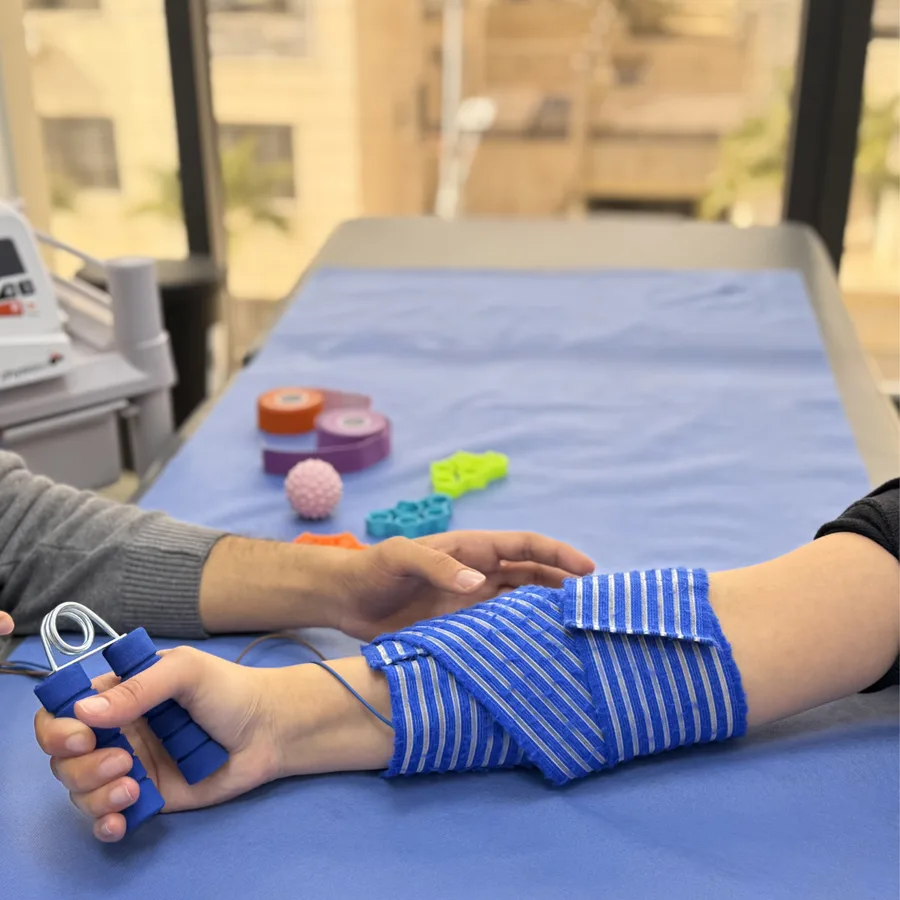
- TENS (transcutaneous electrical nerve stimulation): to help relieve pain; it may also help some hand functions.
- Hydrotherapy: reduces load on the joints, makes movement and exercise easier, and strengthens the muscles.
- Rest and splints: during severe flares, to reduce pain, support the joints and limit the development of some deformities.
- Compression gloves: may reduce swelling and pain in the hand joints for some people.
- Assistive devices: walking sticks and adapted tools reduce joint load and make daily tasks easier.
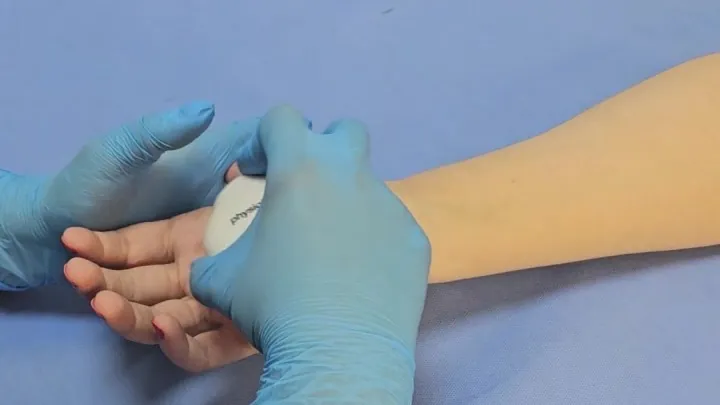
- Massage: to improve flexibility and ease pain and tension.
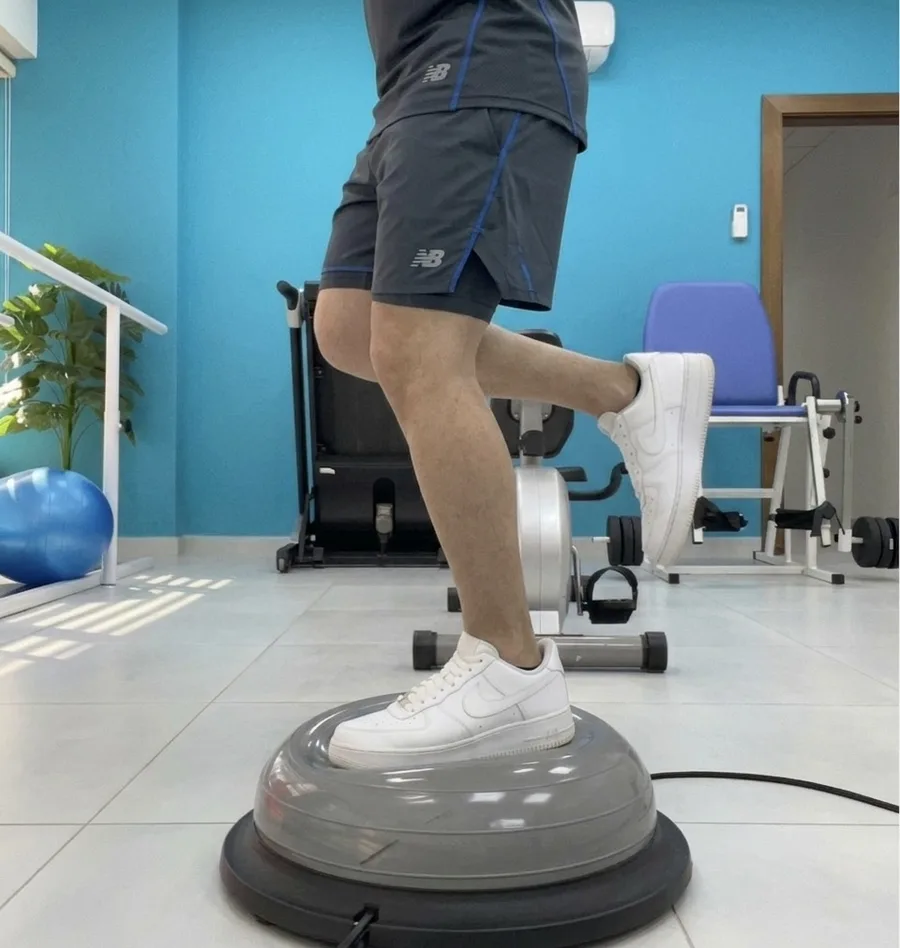
- Therapeutic exercise: the core of rehab — range-of-movement, stretching and strengthening exercises, plus aerobic activity such as walking, swimming and cycling, adjusted to the stage of the disease and avoiding strenuous exercise during acute flares.
- Education: how to protect your joints in daily tasks, use splints and aids, exercise correctly, and manage symptoms day to day.
Self-care
- Stay regularly active at a suitable level
- Keep a healthy weight
- Avoid joint injuries and activities that repeatedly stress the joints
- Stop smoking
- Follow the medication and treatment plan set by your doctor
- Keep up regular medical follow-up
Summary
Rheumatoid arthritis is a chronic autoimmune disease that can affect the joints and other parts of the body. Early diagnosis, the right treatment, rehabilitation and physical therapy, and good self-care help control the disease, protect joint function, reduce pain and improve quality of life. Each person's program is set together with their doctor and rehab team.