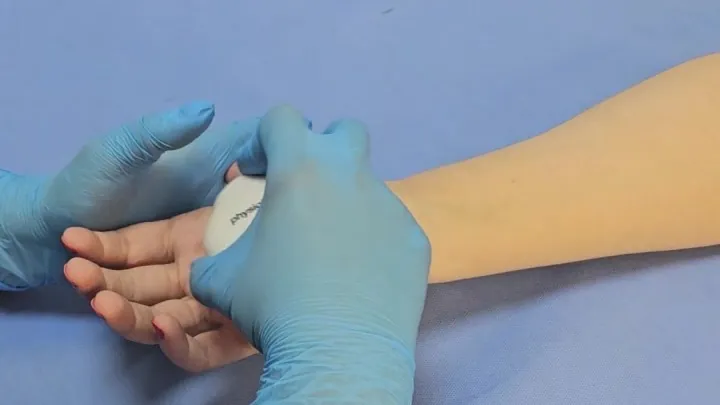
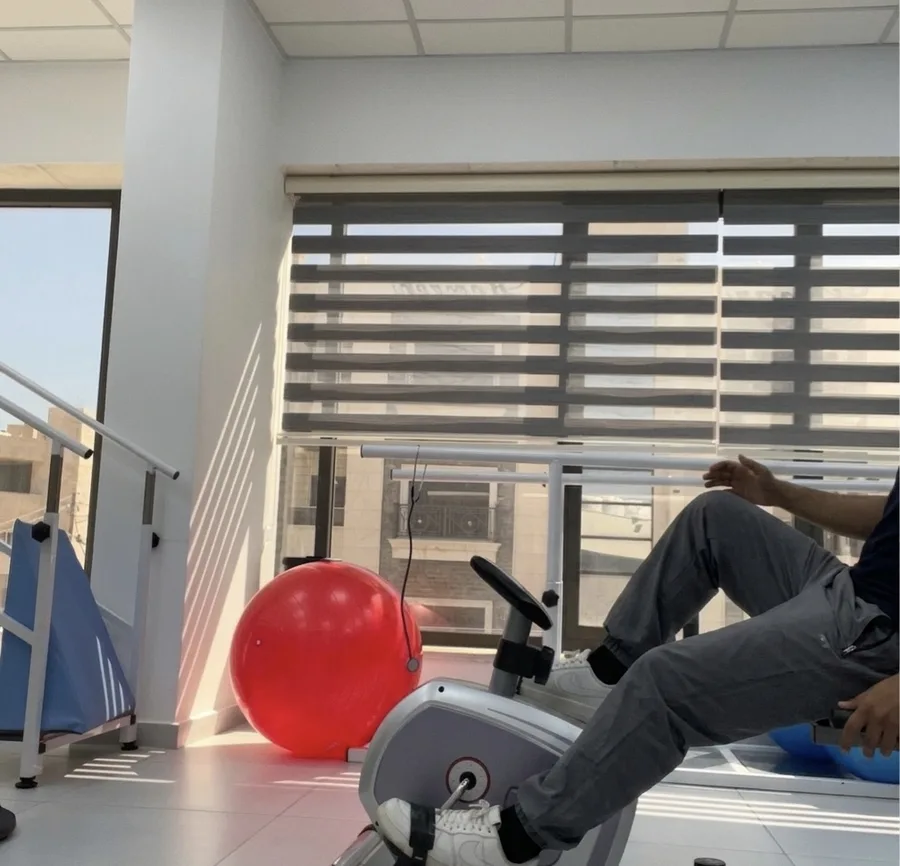
Electrotherapy covers several devices — TENS for pain, therapeutic ultrasound, and electrical muscle stimulation for muscles that are struggling to activate after injury or surgery. Used at the right moment, each has a genuine role.
We should be straight with you about what it is not. Electrotherapy on its own does not resolve a problem. Clinics that sit patients on a machine for twenty minutes and call it treatment are not doing rehabilitation. We use it to make the active work possible — to settle pain enough that you can exercise, or to wake a muscle that will not fire yet.
How we treat it
Assessment first, so the device is chosen for a reason rather than by routine
TENS for pain control where it allows you to move and exercise more effectively
Electrical muscle stimulation for muscles that will not activate after surgery or injury
Therapeutic ultrasound for specific soft-tissue presentations
Always paired with hands-on treatment and exercise in the same session
A clear explanation of what each device is for and why we are using it
What the sessions look like
You will never be left alone on a machine for the session. It forms part of the treatment, not the whole of it.
If a device is not adding anything for your case, we stop using it and tell you why.
Most patients need it in the earlier stages and progressively less as the active work takes over.
Common questions
Is electrotherapy painful?
No. You feel a tingling or a light muscle contraction. We set the intensity with you and adjust it to what is comfortable.
Can I just come for electrotherapy sessions?
We would not recommend it, and we would tell you honestly why. On its own it manages symptoms temporarily without changing the underlying problem. It works when it is part of a plan.
Which electrotherapy devices do you use?
TENS for pain control, electrical muscle stimulation for muscles that will not activate after surgery or injury, and therapeutic ultrasound for specific soft-tissue problems — always chosen after an assessment and paired with hands-on treatment and exercise.
Where can I get electrotherapy in Amman?
Our clinic is on Al Salam Street, Marj Al Hamam, Amman. Send us a message on WhatsApp or call +962 7 9029 2955 to book an assessment first — we open Saturday to Thursday, 10:00 am to 6:00 pm.
Start with an assessment — the plan follows from there
Send us a WhatsApp message and we’ll set a time for your assessment. You don’t need a referral to begin.
Stiff joints every morning for more than half an hour, and swelling in the same joints on both hands? These can be signs of rheumatoid arthritis. Its stages and symptoms — and how physical therapy helps you stay mobile and independent.
After a stroke, some strength may return — yet holding a cup, walking steadily or turning without stumbling is still hard. The reason is often coordination. Here are the key exercises and how they're progressed safely.
Short steps, a foot that catches, a fear of falling… If that sounds like you or someone you love after a stroke, gait training starts with sitting and standing — then rebuilds walking one step at a time.