Neck pain usually builds quietly through hours at a computer or looking down at a phone, then shows up as stiffness, headaches, or pain that travels into the shoulder and arm.
It may involve the neck muscles, the cervical joints, or a cervical disc. A careful assessment tells us which — and that decides how we treat it.
How we treat it
Assessment of neck movement, the cervical joints, your posture and any nerve signs
Manual therapy to release tight muscles and free up stiff joints
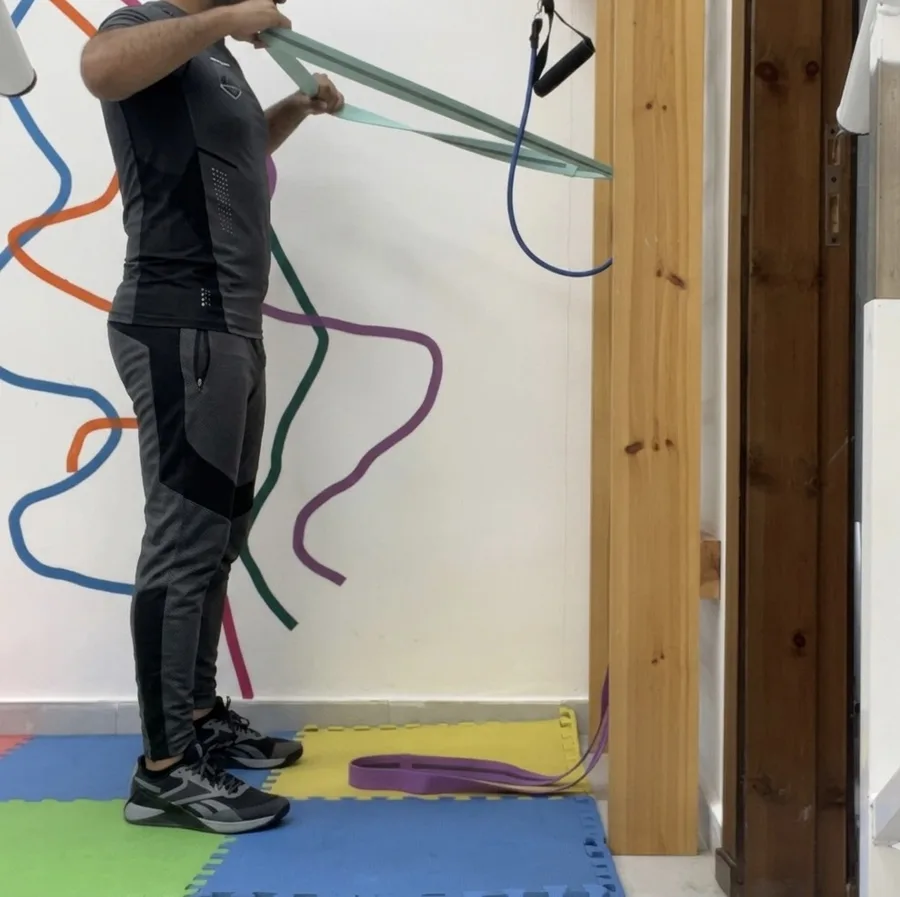
Strengthening for the deep neck muscles and upper back so your posture holds
Adjustments to your workstation and phone habits to stop the pain returning
Dry needling for tension headaches and stubborn trigger points where suitable
A short home program you can do at your desk
What the sessions look like
We start with a full assessment and explain clearly where the pain is coming from.
Treatment is gentle and stays within your tolerance — nothing is forced.
Desk-related cases often improve noticeably within a few weeks of consistent work.
Common questions
My neck pain brings on headaches. Can therapy help?
Often, yes. Headaches that start at the base of the skull are frequently linked to the neck joints and muscles, and those respond well to manual therapy and specific exercise.
Is it safe to treat a cervical disc problem?
Yes, when it is done properly. We work according to the findings, avoid anything that irritates the nerve, and progress you gradually.
Start with an assessment — the plan follows from there
Send us a WhatsApp message and we’ll set a time for your assessment. You don’t need a referral to begin.
Neck tightness and headaches that start at the base of your skull after a long day at a screen? Your head may be sitting too far forward. The symptoms, two simple checks at home, and how physical therapy helps.
A tight, nagging or stabbing pain between your shoulder blade and spine that gets worse with long hours at a desk or a heavy bag? It may be rhomboid pain. The 10 common causes, how to ease it, and when to get it checked.
Pain that starts in the lower back and runs into the buttock and leg — sometimes with numbness or weakness. That is how most people describe sciatica. What causes it, who is most at risk, and when to see a doctor.