The temporomandibular joint connects your jaw to your skull. When it is irritated you may get jaw pain, clicking, difficulty opening your mouth, headaches, or notice that you clench and grind your teeth.
Jaw problems are closely tied to neck posture and muscle tension, and that is exactly why physical therapy works well for them.
How we treat it
Assessment of the jaw joint, how you bite, and your neck and posture
Manual therapy for the jaw and neck muscles
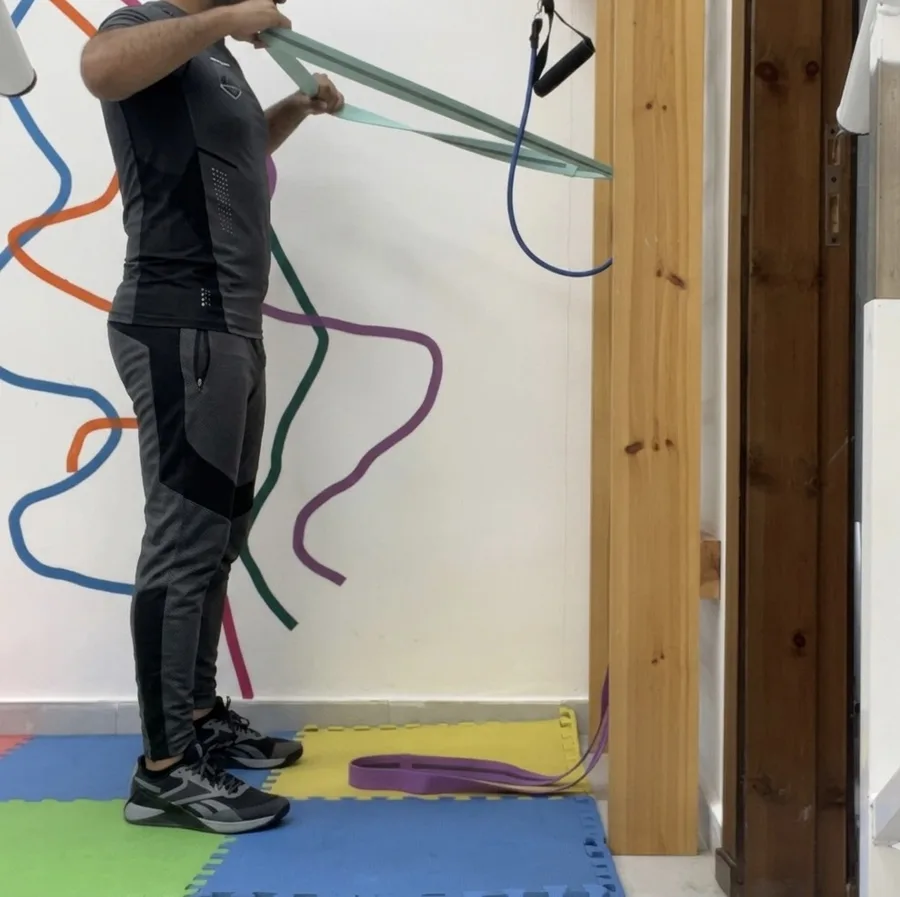
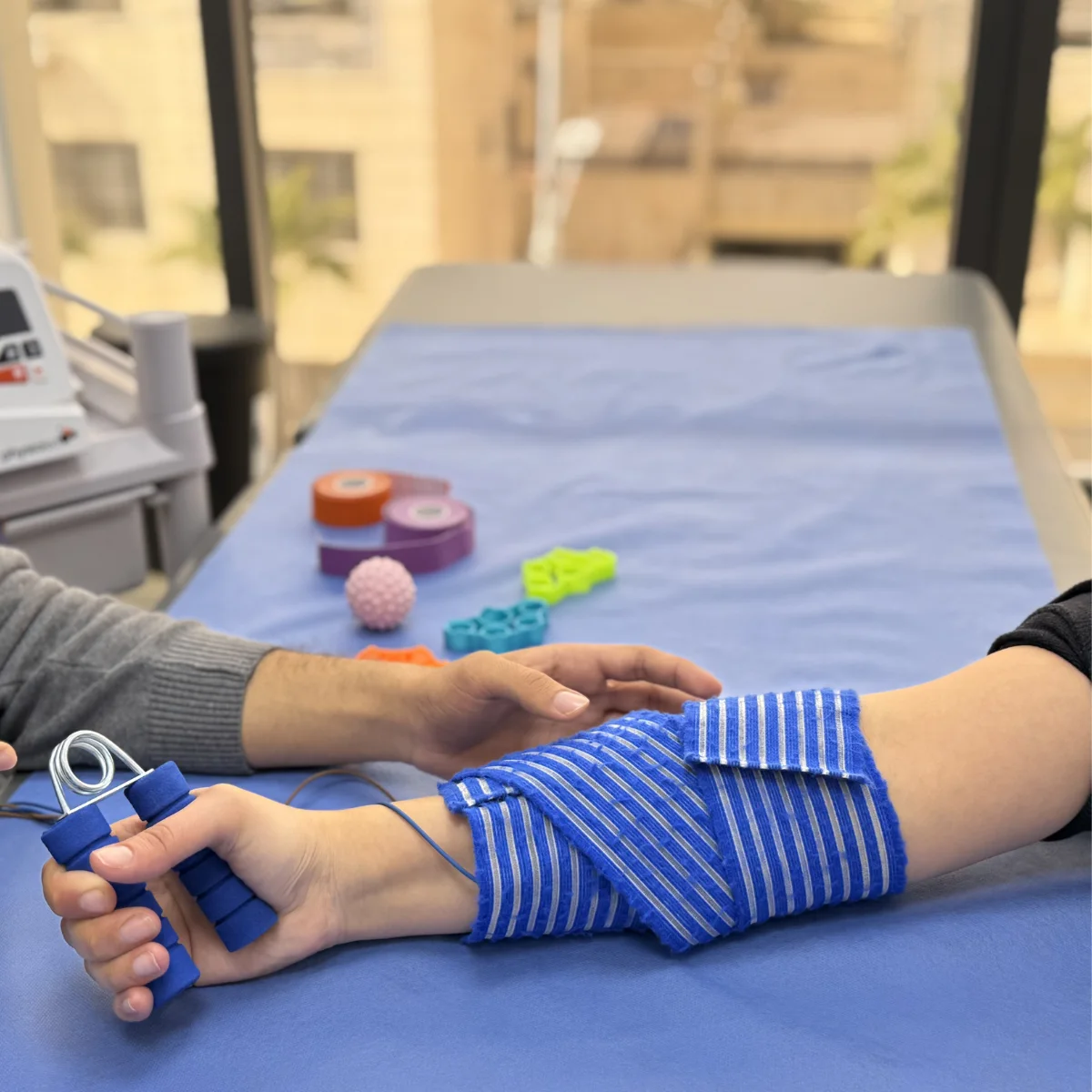
Exercises to restore normal jaw movement and control
Relaxation strategies and habit changes for clenching and grinding
Dry needling for tight jaw and facial muscles where suitable
Postural correction to take load off the joint
What the sessions look like
We assess the jaw and the neck together, because one almost always affects the other.
Treatment is gentle and aimed at easing pain and getting movement back.
You also learn practical habits to protect the joint through the day.
Common questions
Can therapy help clicking and a jaw that locks?
Often, yes. Manual therapy and specific exercises can improve how the jaw moves, reduce the clicking, and make opening your mouth easier and less painful.
My dentist said I grind my teeth. Is that related?
Yes. Grinding and clenching load the joint and the surrounding muscles. We treat the muscle tension and the habits behind it alongside your dental care.
What jaw problems can physical therapy help with?
Jaw pain, clicking, difficulty opening the mouth, headaches linked to the jaw, and clenching or grinding. We assess the jaw and the neck together, because one almost always affects the other.
Where do you offer TMJ physiotherapy in Amman?
Our clinic is on Al Salam Street, Marj Al Hamam, Amman. Send us a message on WhatsApp or call +962 7 9029 2955 to book an assessment first — we open Saturday to Thursday, 10:00 am to 6:00 pm.
Start with an assessment — the plan follows from there
Send us a WhatsApp message and we’ll set a time for your assessment. You don’t need a referral to begin.
Neck tightness and headaches that start at the base of your skull after a long day at a screen? Your head may be sitting too far forward. The symptoms, two simple checks at home, and how physical therapy helps.
Pain that starts in the lower back and runs into the buttock and leg — sometimes with numbness or weakness. That is how most people describe sciatica. What causes it, who is most at risk, and when to see a doctor.
A tight, nagging or stabbing pain between your shoulder blade and spine that gets worse with long hours at a desk or a heavy bag? It may be rhomboid pain. The 10 common causes, how to ease it, and when to get it checked.