Chronic lung conditions set up a trap: breathing is hard, so you move less, so your muscles deteriorate, so the same activity demands more oxygen, so breathing gets harder still. Most people describe this as their lungs getting worse when much of it is actually deconditioning.
Pulmonary rehabilitation attacks the reversible part of that cycle. It is one of the best-evidenced interventions in respiratory medicine, and it improves breathlessness, exercise capacity and quality of life even when lung function itself does not change.
How we treat it
Assessment of breathing pattern, exercise tolerance and how far you can walk before stopping
Breathing technique training, including pacing and positions that ease breathlessness
Airway clearance techniques where secretions are a problem
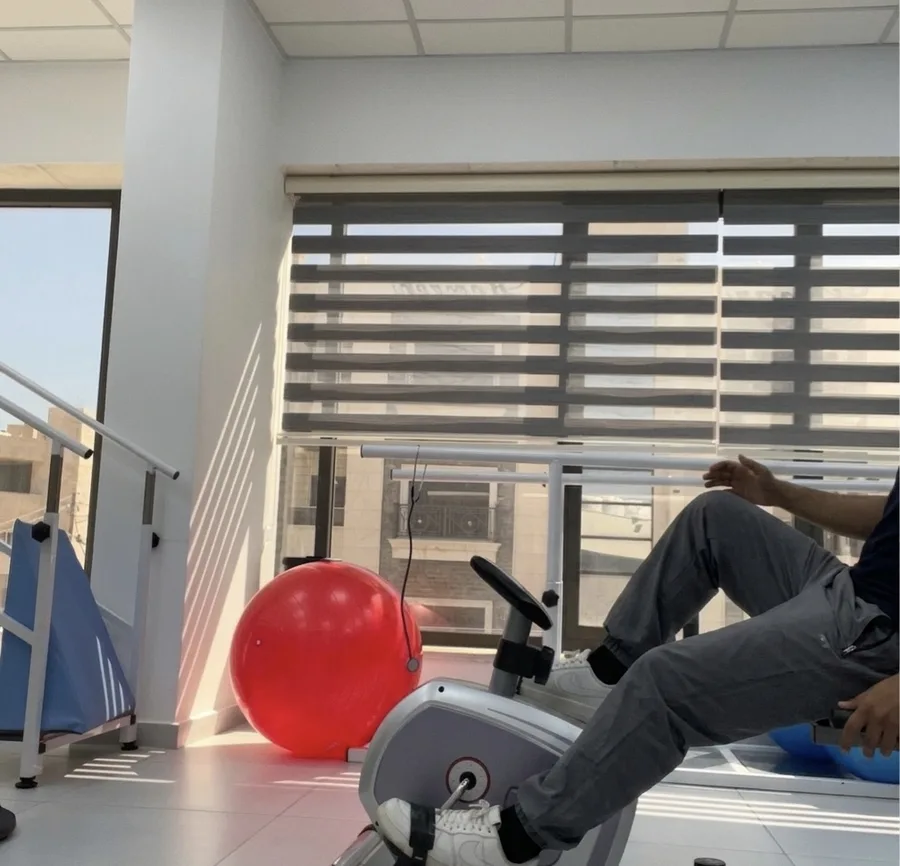
Carefully graded aerobic exercise — the core of the programme and the part that works
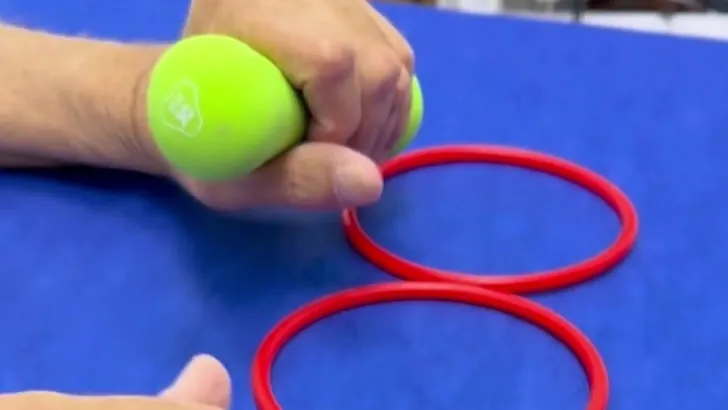
Strength training for the arms and legs, which reduces the oxygen cost of daily tasks
Education on managing flare-ups and staying active between them
What the sessions look like
Breathlessness during exercise is expected and monitored — we work at a level that is safe and that we adjust with you.
Improvement usually shows in walking distance and daily activity before anything else changes.
This works best as a sustained programme rather than a handful of sessions, and we will say so honestly at the start.
Common questions
Is exercise safe with a lung condition?
Supervised, graded exercise is safe and is the recommended treatment for most chronic lung conditions. We assess you first and work at a level matched to your capacity.
Can this help after pneumonia or a long chest infection?
Yes. Recovery from a serious chest infection often stalls because of deconditioning rather than the lungs themselves, and structured rehabilitation is what restarts it.
Start with an assessment — the plan follows from there
Send us a WhatsApp message and we’ll set a time for your assessment. You don’t need a referral to begin.
After a stroke, some strength may return — yet holding a cup, walking steadily or turning without stumbling is still hard. The reason is often coordination. Here are the key exercises and how they're progressed safely.
Short steps, a foot that catches, a fear of falling… If that sounds like you or someone you love after a stroke, gait training starts with sitting and standing — then rebuilds walking one step at a time.
When a hand or arm is weak after a stroke, a simple reflection in a mirror may help the brain relearn movement. What mirror therapy is, how it works, who it suits, and what the evidence says.